Starting Point
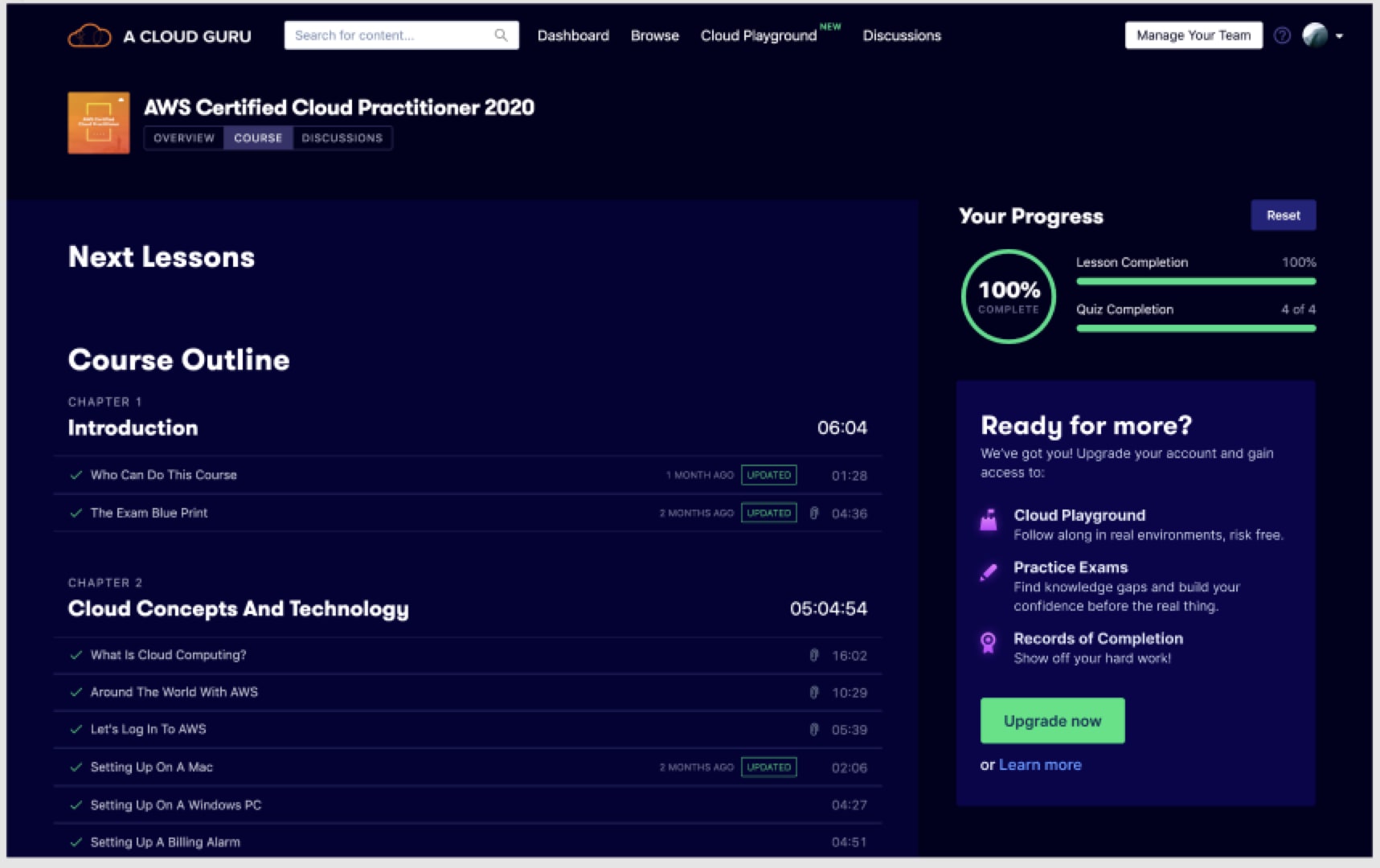
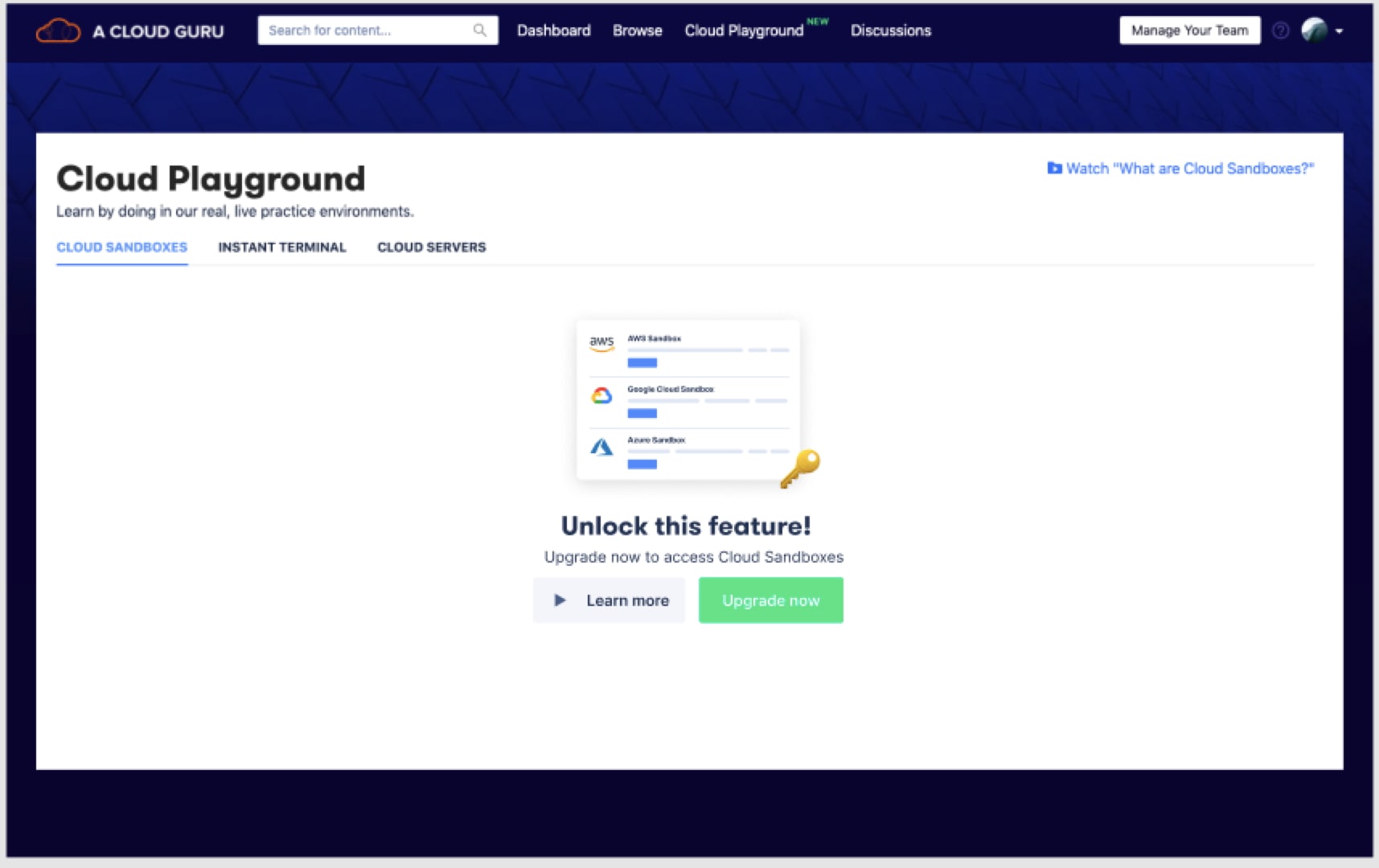
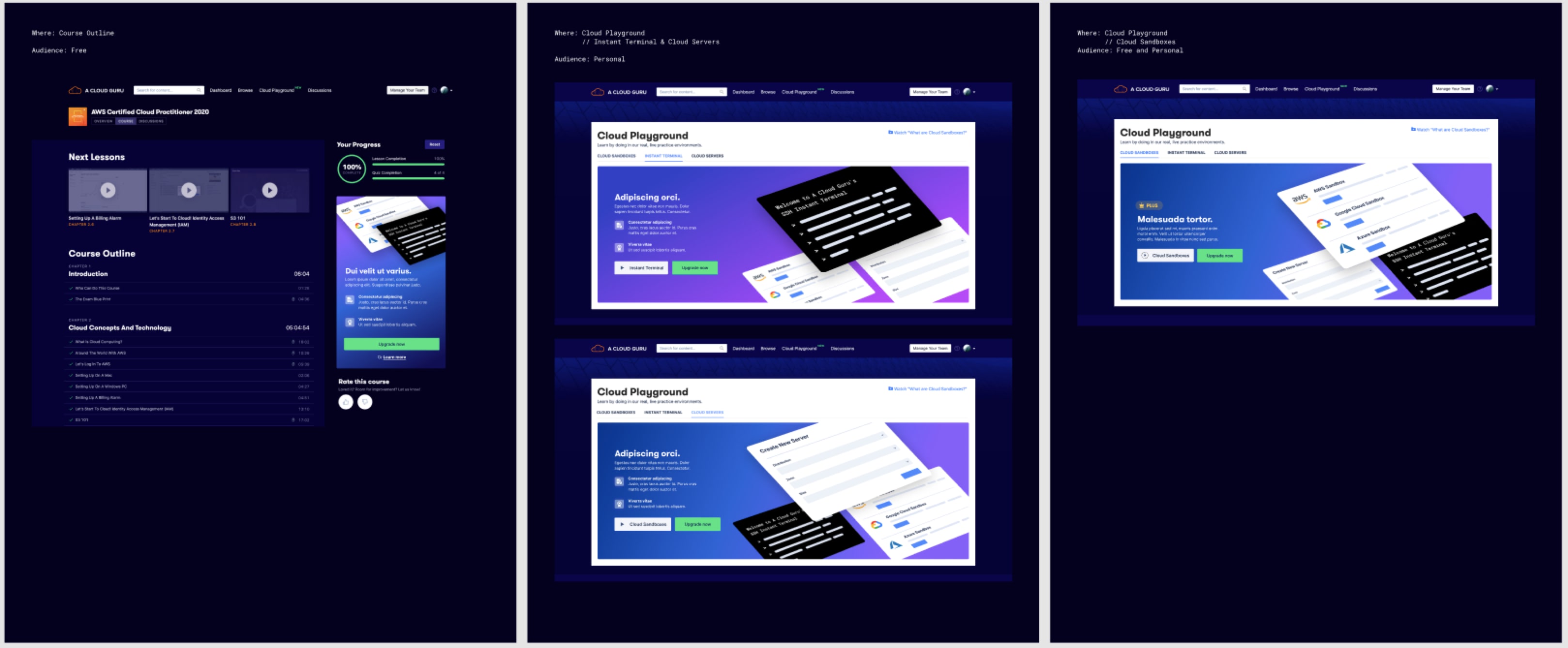
As part of a new offering, we introduced additional paid user tiers and needed to gate certain features on the platform. My team was first to tackle feature gating, and the initial designs felt inconsistent - each gated feature looked like it had been designed in isolation.
Exploration
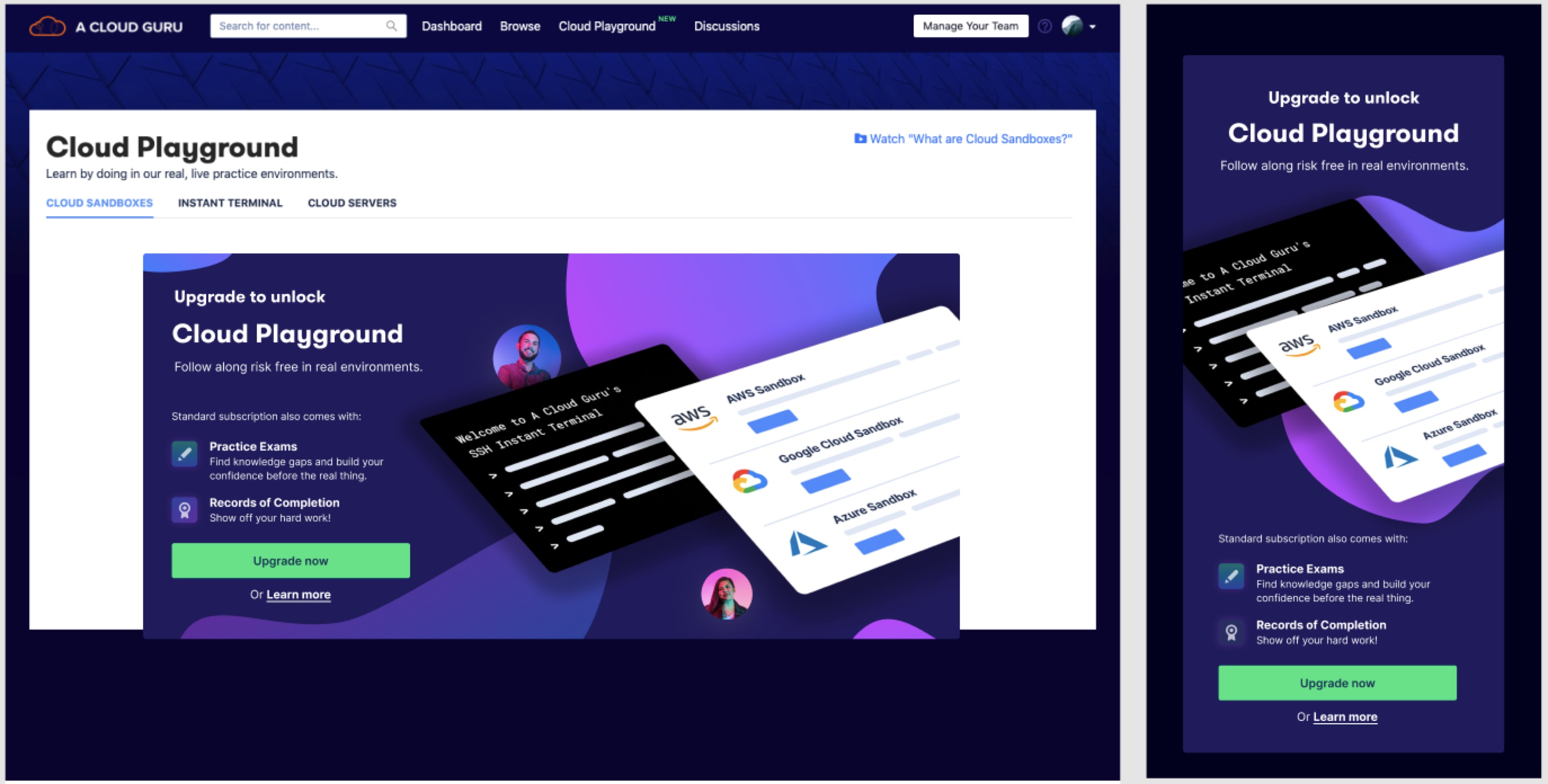
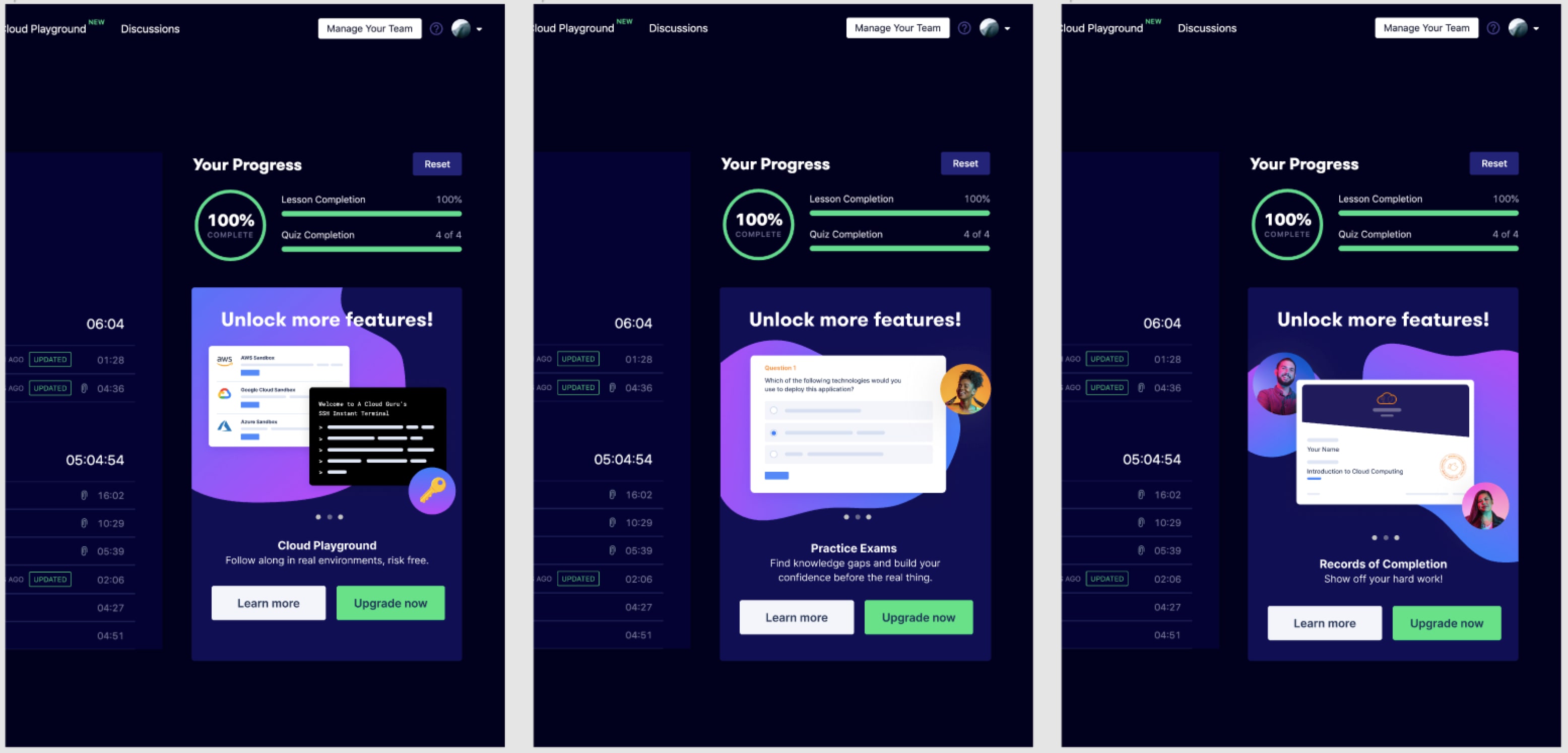
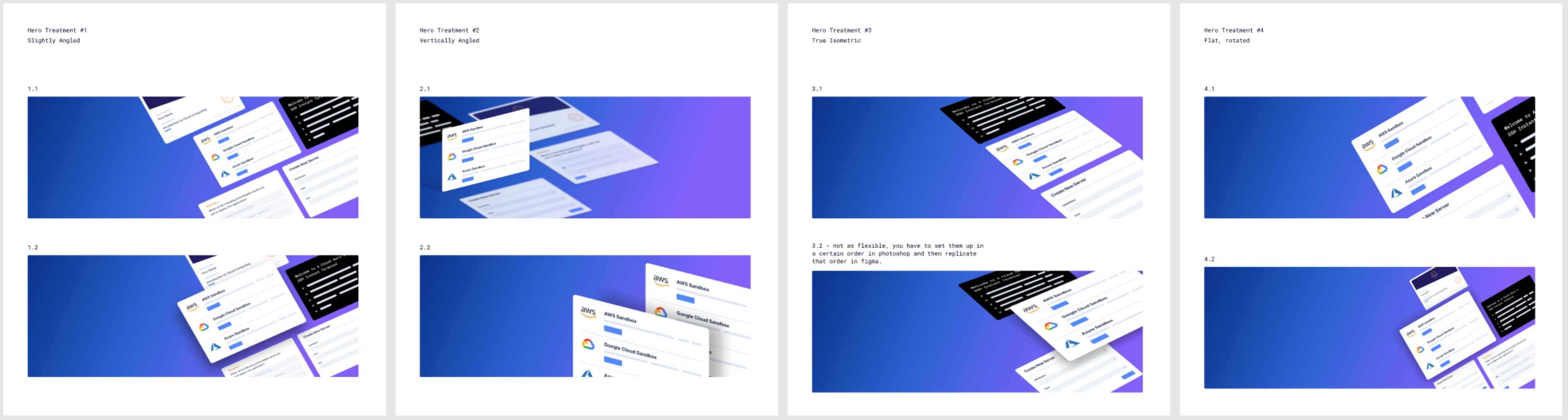
We decided the design needed more personality and energy - this was an upsell, after all. We tried different visual treatments, colours, and background combinations. The goal was to be attention-grabbing without being distracting. We also wanted to surface more features in a smaller space, so we explored different ways to pack in more information without overwhelming.
Stakeholder Management
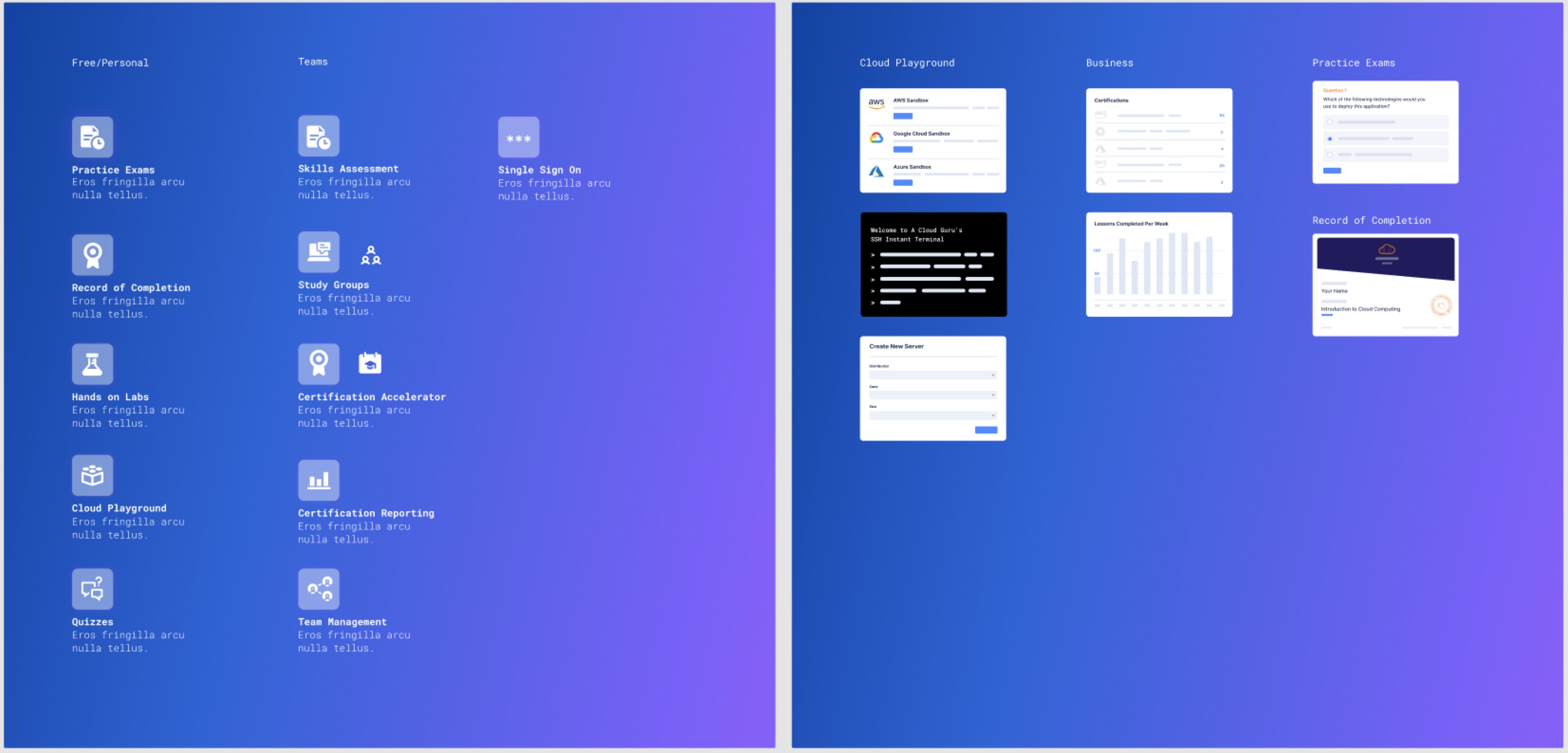
This project had a broader audience than most. Product had an obvious stake in it, but Marketing did too - they needed the card to carry their copy and be flexible enough to work across different features and campaigns.
We put together a document showing how the card would be used in context, highlighting the opportunities for Marketing copy, and demonstrating how heavily it could be customised. We also prepared pre-canned copy and mock-ups for different feature scenarios to help both teams see the system at work.
Final
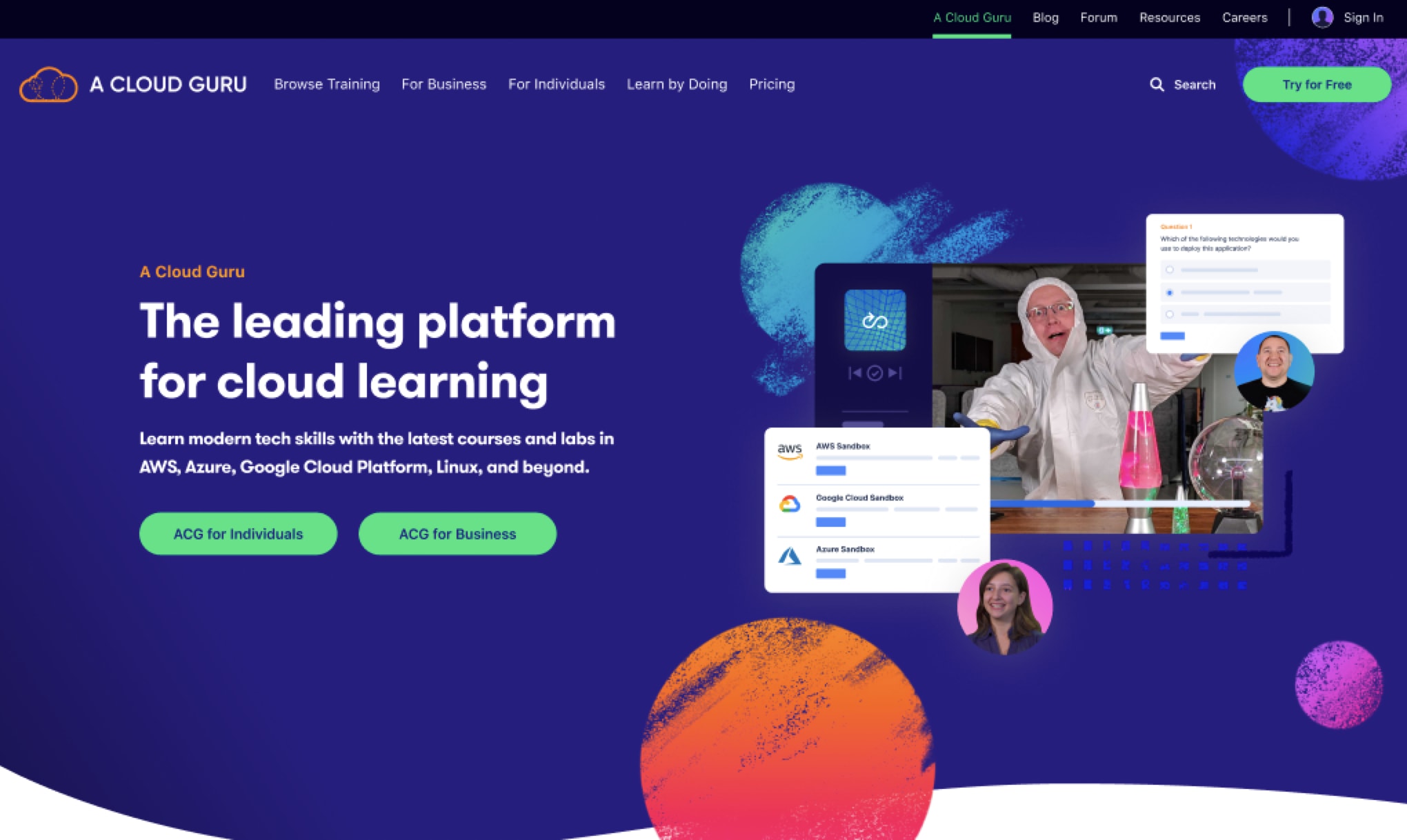
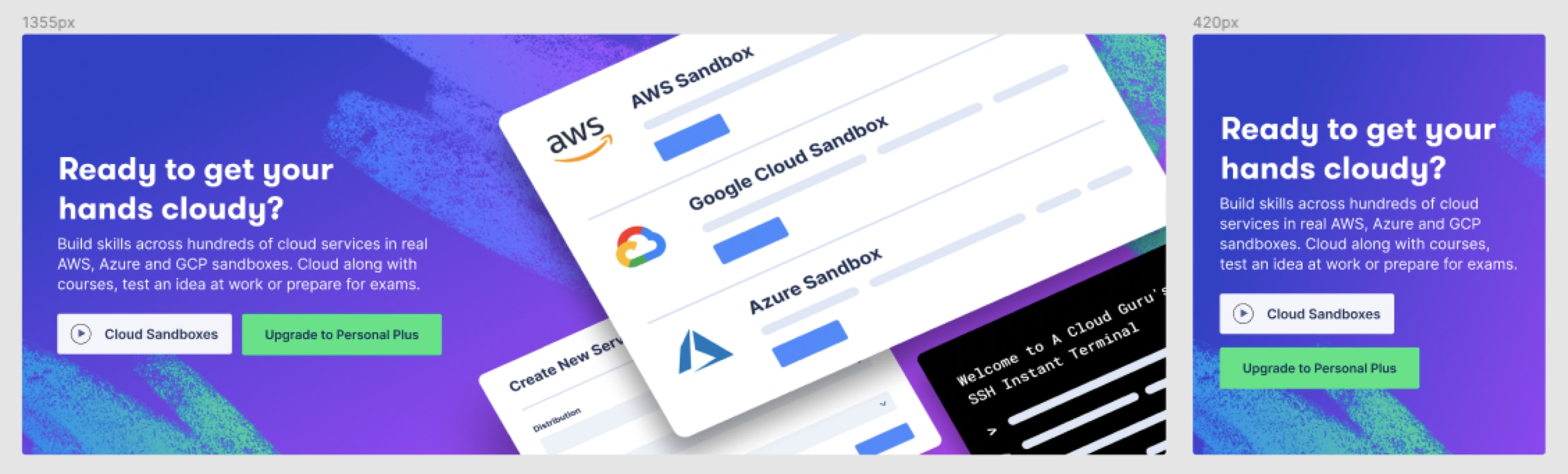
To bring it home, there was a request for stronger visual cohesion with the marketing site. We drew on graphic elements from the broader brand system to tie the card into the wider visual language.

In retrospect: this project was the seed of something that should have been framed as an org-wide initiative from day one. The card system we built was genuinely useful, but it lived in one team's Figma file. As a design leader, I'd now identify these moments earlier - where a local design solution has the potential to become shared infrastructure - and push to establish them at the right level of the organisation.